
HOA Fees Explained: What Buyers Need to Know Before Purchasing a Home
- Mallory McEwen

- Aug 26
- 5 min read
A low purchase price can look great until the monthly HOA fee changes the math. Before making an offer, buyers need to know what the fee covers, what rules come with it, and whether the association is well run.
HOA fees are not just another line item. They can affect monthly affordability, resale value, and day-to-day use of the home.

What HOA fees are and why they exist
An HOA fee is a regular payment made to a homeowners association. The association manages and maintains parts of a community. This can include condos, townhomes, gated neighborhoods, and some single-family home communities.
The fee helps pay for shared costs. Without it, owners would need another way to split expenses for things used by everyone.
HOA fees usually support:
Common area maintenance
Landscaping
Exterior building repairs in some communities
Amenities such as pools, gyms, trails, or clubhouses
Insurance for shared property
Trash removal or snow removal in some areas
Reserve funds for future repairs
Property management services
The exact purpose depends on the community. A condo association may cover the roof, siding, elevators, and hallways. A single-family HOA may only cover entrance landscaping and a neighborhood pool.
That difference matters. Two homes with the same fee may offer very different value.
Typical HOA costs and what they cover
HOA fees vary widely. Location, property type, amenities, age of the community, and maintenance needs all affect the amount.
In many U.S. markets, fees may range from modest monthly amounts for basic neighborhood upkeep to several hundred dollars per month for condos or amenity-heavy communities. Luxury buildings, waterfront properties, elevator buildings, and communities with staff or large shared facilities can cost more.
Here is a simple way to compare what the fee may include.
Community type | Common fee coverage | Key items to review |
Single-family neighborhood | Entry signs, landscaping, parks, pool, private roads in some cases | Amenity upkeep, road responsibility, reserve balance |
Townhome community | Landscaping, exterior maintenance, roofs in some cases, shared insurance | What exterior items the owner must maintain |
Condo building | Roof, siding, hallways, elevators, amenities, master insurance | Deductibles, reserves, upcoming repairs |
Gated or private community | Gates, roads, security features, landscaping, amenities | Road costs, staffing costs, special assessments |
Do not assume a higher fee is bad. A higher fee may cover major expenses that owners would otherwise pay on their own. A lower fee may look appealing but carry risk if the association has weak reserves.
The better question is this: Does the fee match what the association provides and what the property needs?
HOA rules can affect daily life
The rules matter as much as the fee. HOA rules and regulations are often called covenants, conditions, and restrictions, or CC&Rs. Buyers should read them before closing.
These rules may cover:
Exterior paint colors
Fencing and landscaping
Parking
Pets
Rentals
Short-term rentals
Holiday decorations
Noise
Home additions
Work vehicles, boats, or RVs
Some buyers welcome these rules because they help protect the look and condition of the community. Others find them too restrictive.
Pay close attention to rental limits if the home could become an investment property later. Some HOAs limit the number of rentals. Others require long lease terms or board approval.
Also check the enforcement process. Look for fines, notice periods, hearing rights, and appeal options. A reasonable rule can still become a problem if enforcement is uneven or harsh.
Before buying, request and review:
Current HOA budget
Recent meeting minutes
Reserve study, if available
Rules and CC&Rs
Bylaws
Insurance summary
Fee history
Notice of pending litigation, if any
Current or planned special assessments
This is general information only. For legal or financial advice, speak with a qualified professional in your state.
HOA fees can affect property value
HOA fees can help or hurt property value.
A well-run association can protect value by keeping shared areas clean, maintaining buildings, and planning for future repairs. Buyers often notice well-kept landscaping, clean amenities, and consistent exterior standards.
A poorly run association can do the opposite. Low reserves, frequent special assessments, deferred maintenance, or strict rental limits can narrow the buyer pool. That can affect resale.
Lenders also review HOA details for some properties, especially condos. If an association has financial problems, too many delinquent owners, major litigation, or insurance gaps, financing may become harder.
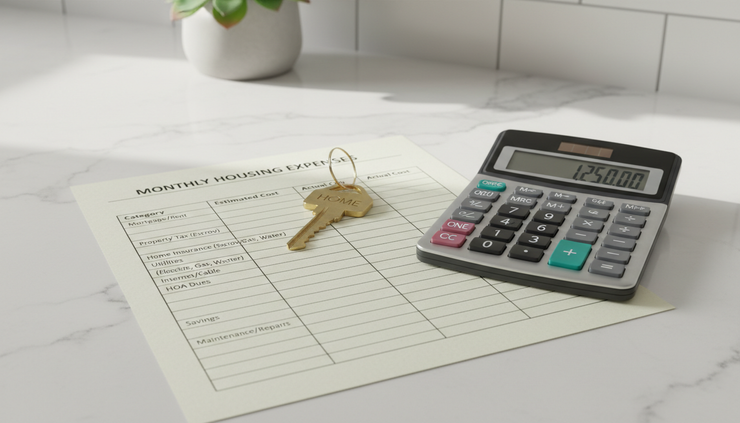
The fee amount also affects affordability. A buyer approved for a certain monthly payment must include the HOA fee in the total housing cost. A high fee can reduce buying power.
That does not mean high fees are always a warning sign. The value depends on what the fee covers. For example, if a condo fee includes exterior maintenance, water, trash, amenities, and building insurance, it may replace costs a single-family owner would pay separately.
Look at the full picture, not just the monthly number.

How to understand or negotiate HOA fees
Monthly HOA dues are usually not negotiable with the association. Every owner in the same class of property pays according to the governing documents. A buyer cannot usually ask the HOA for a private discount.
But buyers can still use the fee in negotiations and decision-making.
Ask what changed over time
Review the fee history. Small increases can be normal. Big jumps may point to rising insurance costs, repairs, or poor past planning.
Ask these questions:
How often have dues increased?
When was the last increase?
Are more increases expected?
Are any special assessments planned?
How much money is in reserves?
What major repairs are coming?
Meeting minutes can be useful. They often show problems before they appear in official summaries.
Compare similar communities
Compare the fee with nearby properties of the same type. A condo with elevators, a pool, and covered parking should not be compared to a basic townhome community with no amenities.
Look for mismatch. A high fee with limited services deserves closer review. A very low fee in an older building may also deserve caution.
Negotiate with the seller
The dues may not change, but the deal terms can. Depending on market conditions, buyers may ask the seller to help offset costs through:
A price reduction
Closing cost credit
Payment of a current special assessment
Repairs before closing
Transfer fee payment, if allowed
Some associations charge transfer fees, move-in fees, capital contributions, or document fees. Ask for these costs early. They can affect cash needed at closing.
Read the resale package before the deadline
Many states give buyers a review period for HOA documents. Use it. Do not skim.
Focus on the budget, reserves, insurance, meeting minutes, rules, lawsuits, and special assessments. If something looks unclear, ask for an explanation before the review period ends.

The smart way to look at HOA fees
HOA fees are part cost, part protection, and part rulebook. They can make homeownership easier when the association is stable and the services match the fee. They can also create stress when rules are strict, dues rise fast, or reserves fall short.
Before buying, confirm three things:
What the fee covers
What the rules allow
Whether the association is financially healthy
A home is more than the mortgage payment. Review the full monthly cost before making an offer.
If you are weighing a home with HOA dues and want help reading the numbers, contact the McEwen Team before you move forward. A careful review now can prevent expensive surprises later.


Comments